
Posted on Thursday, July 23 2026
If there’s one thing many bucket lists have in common, it’s whale watching. With over 200,000 km of coastline, it’s no surprise that Canada is one of the world’s top destinations when it comes to spotting these majestic species in their natural habitat.
With so many whale watching hotspots from coast to coast, there are plenty of opportunities for travellers or long-term guests to get out and experience marine life up close, wherever you might be staying across Canada.
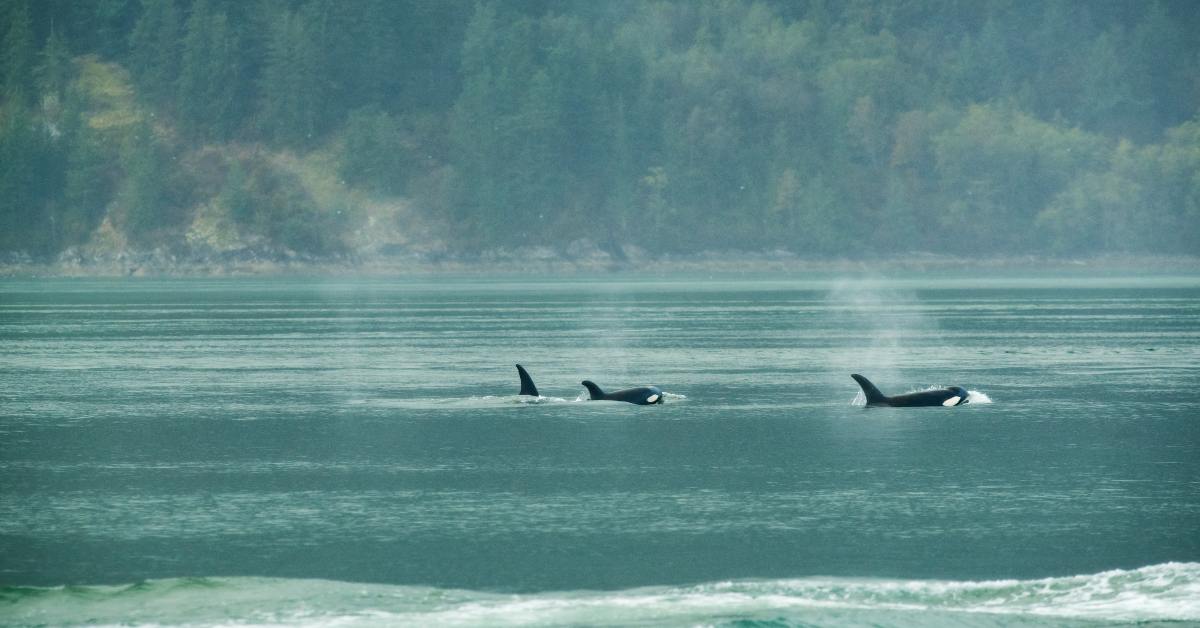
There are over 30 whale species living in or migrating through Canada’s coastal waters. Some of the most common types seen on tours include humpback whales, orcas, minke whales, and fin whales, though sightings will naturally vary depending on the region.
May to September is generally the best season for whale watching across Canada, though exact timing varies by destination. As Canada is surrounded by three oceans, key migratory routes bring whales directly through prime watching areas to feed, making these coastal locations ideal viewing spots.
Surrounded by the rugged Atlantic Ocean, Newfoundland welcomes the largest number of whale species in all of Canada. This includes blue whales, orcas, minke whales, fin whales, pillow whales, sperm whales, and most famously the humpback whale, with over 12,000 migrating near the shores each year.
Top spots to go whale watching include:
· Bay Bulls & Witless Bay: 30-minute drive south of St. John’s, it’s a prime feeding ground for humpbacks, and home to the largest Atlantic Puffin colony.
· Trinity: 3hrs north of St. John’s, you can expect to see humpbacks, minke, fun and sperm whales.
· Twillingate: The ‘Iceberg Capital of the World” is where you’ll also find breaching humpbacks, minke whales, and the occasional orca. Located over 5 hours from St. John’s, it’s a lengthier trip, but definitely worth it if you want to catch both ice bergs and whales in June/early July.
When to visit: May to October
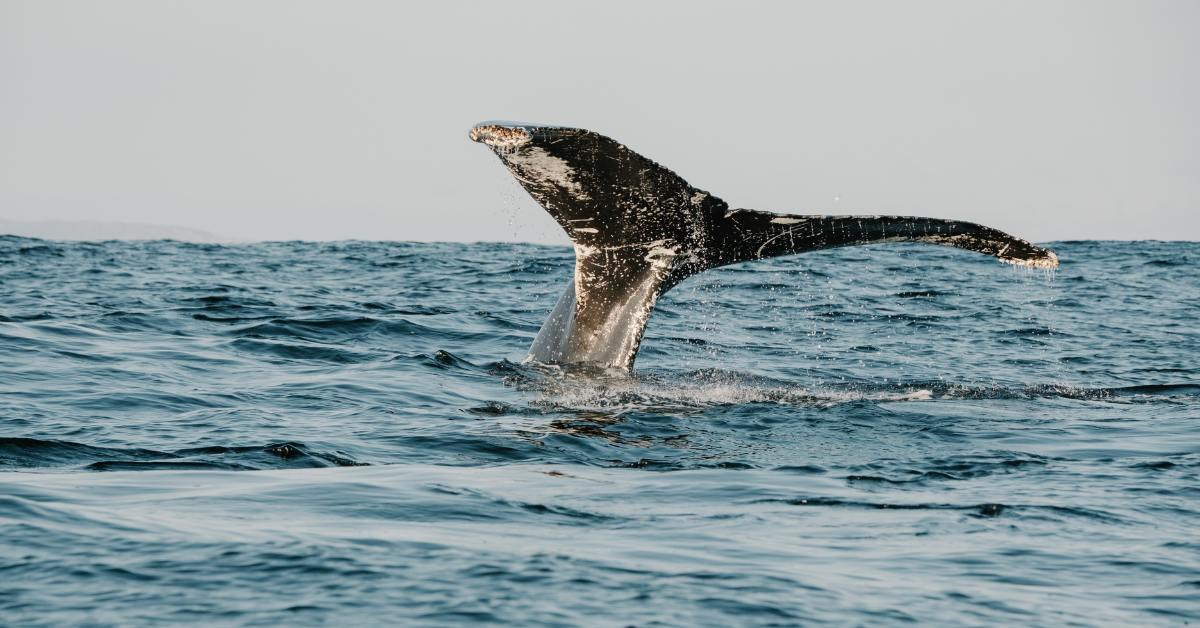
Nova Scotia's positioning in the North Atlantic gives travellers access to two incredible marine environments: the nutrient-rich Bay of Fundy on the west coast and the deep Atlantic waters surrounding Cape Breton Island.
Top spots to go whale watching include:
· Brier Island & Digby Neck: Located approximately 4 hours west of Halifax and situated in the Bay of Fundy, the high tides churn up massive amounts of food, attracting acrobatic humpbacks, large fin whales and minkes.
· Pleasant Bay & Cheticamp: Located along the northern coast of Cape Breton Island along Cabot Trail, these deep waters are fantastic for spotting pilot whales, minkes, and dolphins.
When to visit: June to October (humpbacks arrive in high numbers starting in mid-June)
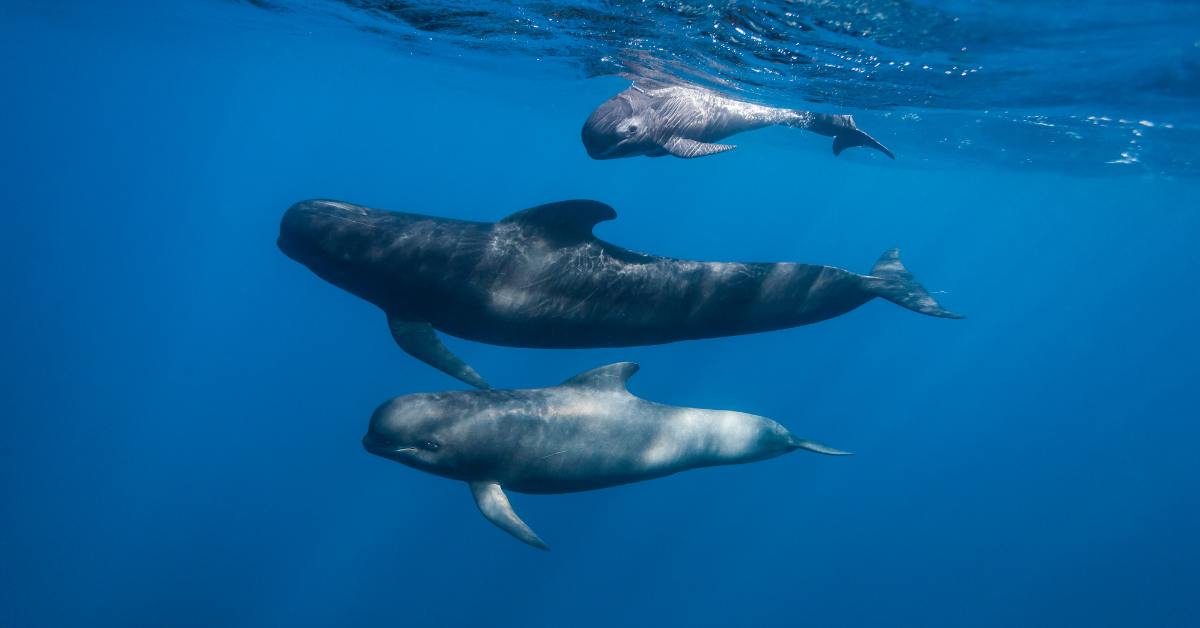
Bordering the western side of the Bay of Fundy, New Brunswick offers sheltered bays, calm inlets, and rich feeding grounds where mothers often bring their young calves during the summer months.
Top spots to go whale watching include:
· Saint Andrews by-the-Sea: 2 hours south of Fredericton, you’ll find this historic resort town where local tours take visitors through the islands of Passamaquoddy Bay to spot minke whales, finbacks, and playful humpbacks.
· Grand Manan Island: Located directly in the mouth of the Bay of Fundy, this serene island is ideal for seeing large fin whales, humpbacks, and abundant seabirds.
When to visit: June to October (July and August are peak months for sightings).
Where the Saguenay Fjord flows into the St. Lawrence River, cold ocean currents meet deep underwater canyons. This unique underwater geography pushes massive currents of krill and small fish toward the surface, creating an incredible feeding sanctuary for up to 13 marine mammal species.
Top spots to go whale watching include:
Tadoussac & Baie-Sainte-Catherine: Situated right at the mouth of the Saguenay Fjord, this area is internationally recognized as one of the prime whale watching locations on the planet. It offers high chances of spotting fin whales, minkes, humpbacks, and even the blue whale.
Gaspé Peninsula (Gaspé & Percé): Located where the St. Lawrence opens into the gulf, the high cliffs of Gaspé offer spectacular coastal views where humpbacks and fin whales often feed close to shore.
Marine Park Observation Sites (Shoreline Watching): Locations like Pointe-des-Monts and Cap-de-Bon-Désir allow visitors to watch whales directly from the rocky shores without even stepping onto a boat.
When to visit: May to November (July through September offers the highest species diversity).
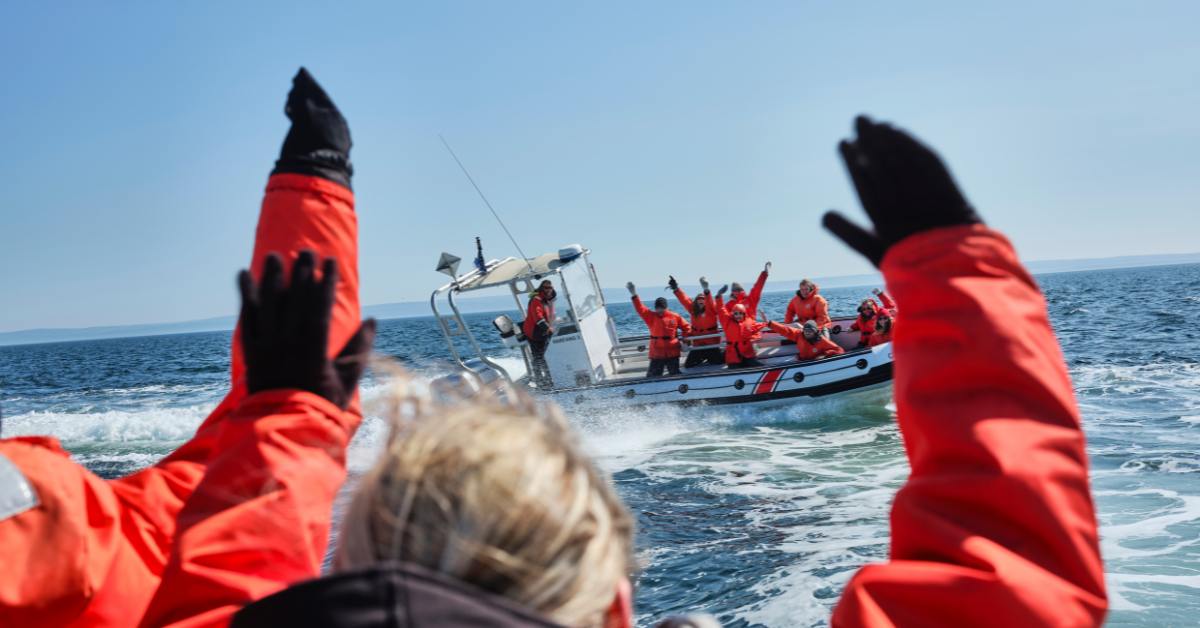
While Manitoba isn't on the Atlantic or Pacific coast, no Canadian whale watching guide is complete without mentioning its northern subarctic waters.
Top spot to go whale watching include:
Churchill: Sitting on the shores of Hudson Bay, Churchill hosts thousands of friendly beluga whales every summer as they gather in the warm, shallow waters of the Churchill River estuary to feed and give birth.
When to visit: July to August.
Canada’s Pacific coast is globally famous for its thriving marine ecosystems. The waters surrounding Vancouver Island offer some of the highest concentrations of marine life in North America, making it a prime destination for watching whales against a backdrop of ancient coastal rainforests.
Top spots to go whale watching include:
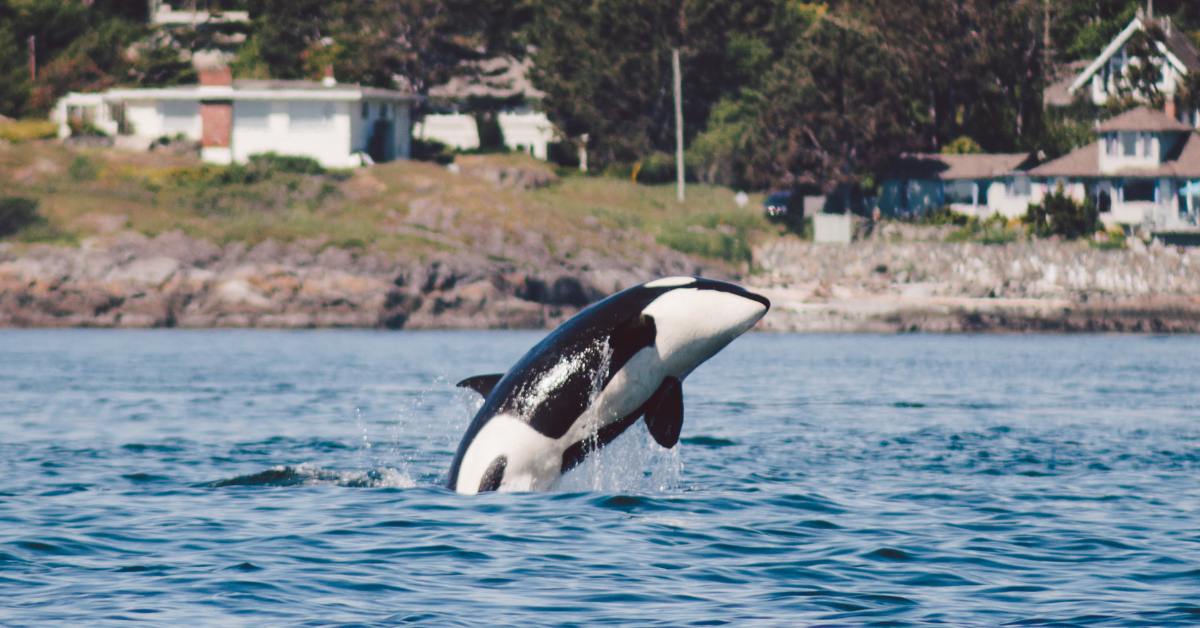
Victoria & Southern Gulf Islands: Located on the southern tip of Vancouver Island, this area is a famous hotspot for humpback whales and pods of both resident and transient orcas.
Telegraph Cove & Johnstone Strait: Located on northeastern Vancouver Island, Johnstone Strait is world-renowned as a major gathering area for killer whales during the summer salmon runs.
Tofino & Ucluelet: Situated on the wild west coast, these coastal towns offer front-row seats to the annual grey whale migration every spring, along with summer humpback sightings in Clayoquot and Barkley Sounds.
When to visit: May to October (March and April are ideal if you want to catch the spring grey whale migration).
Whether you’re relocating for work, between homes, or managing a long-term project, having a fully equipped suite means you can settle in comfortably and spend your off-hours immersing yourself in Canada’s bucket-list experiences.
Ready to find your home base? Explore our extensive portfolio of furnished suites and homes across Canada.
British Columbia Manitoba New Brunswick Nova Scotia Quebec Newfoundland